The "AMA" in our name comes from the Amaharashi Coast. Here is the story of the time this town has gathered, and of the building that is becoming our café.
Chapter 1Amaharashi
The Story of the Town
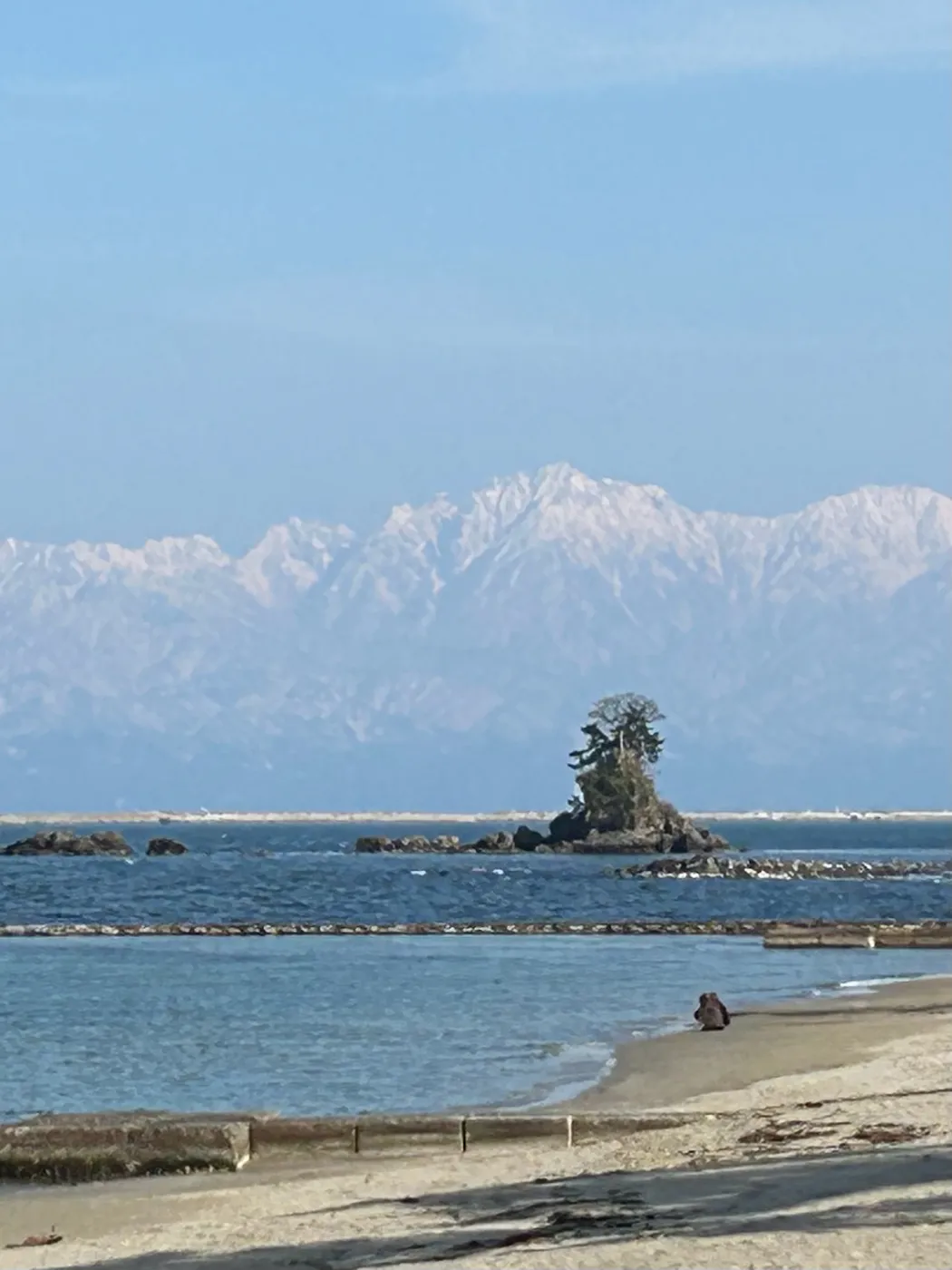
A shore praised by Man'yō poets
In the Nara period, the poet Ōtomo no Yakamochi, posted as provincial governor to what is now Takaoka, wrote poems on the beauty of this shore, and is said to have invited friends to ride out to it on horseback. The Amaharashi Coast has been loved by poets and writers since the 8th century.
The shore Yakamochi also gazed upon
The name "Amaharashi"
On the shore stands Yoshitsune Rock, where Minamoto no Yoshitsune is said to have taken shelter from the rain. It is still called by that name today. The place name "Amaharashi" (literally "rain clearing") is also said to come from this legend.
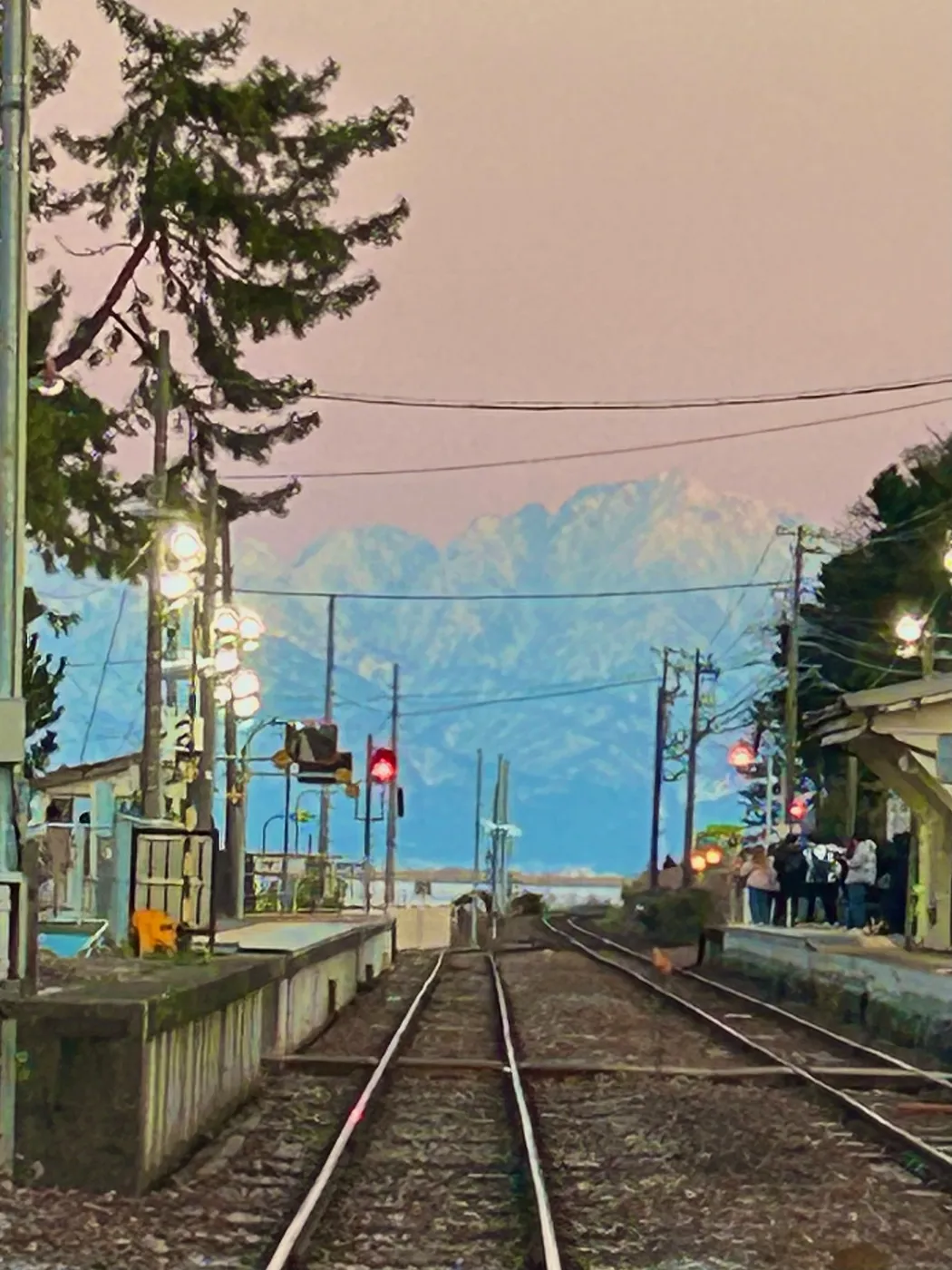
Amaharashi Station, which carries the name
The setting of Yorushika's "Tada Kimi ni Hare"
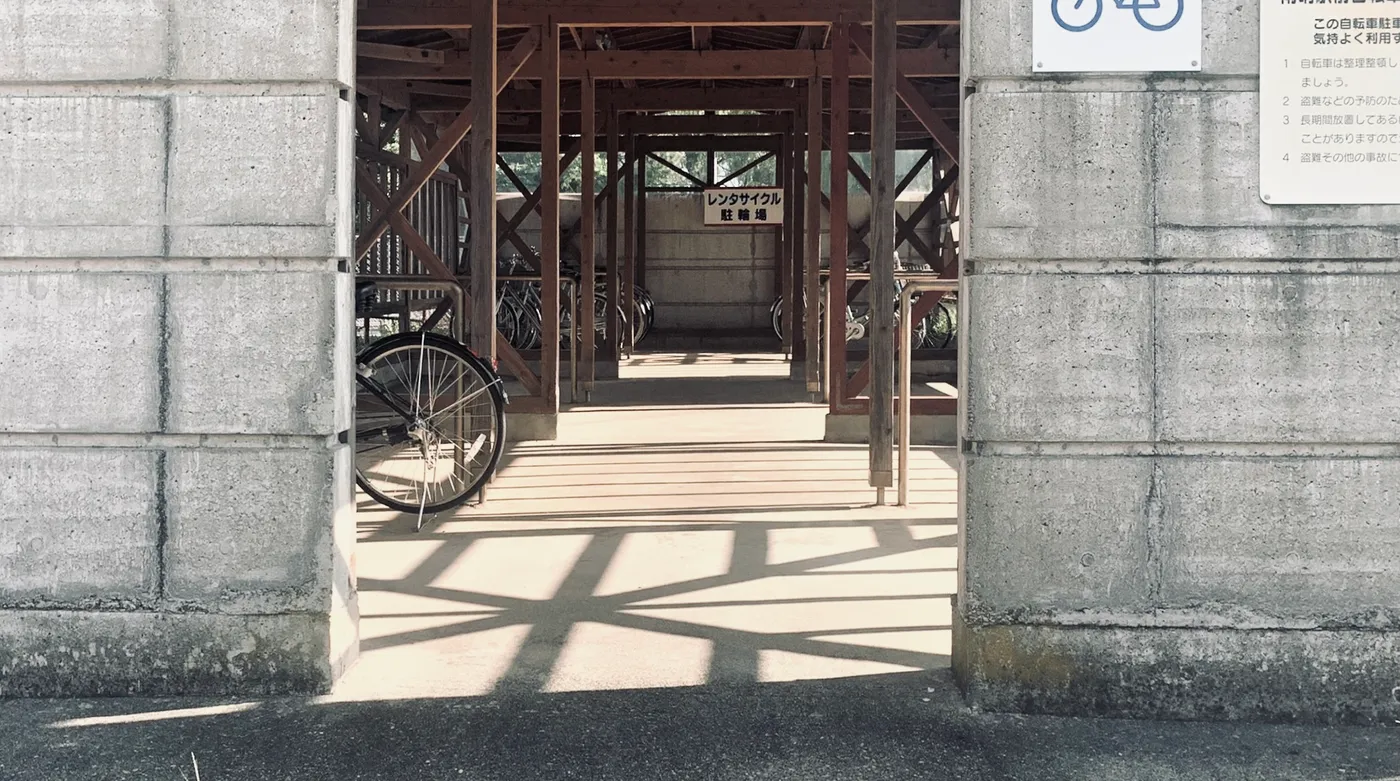
The area around the Amaharashi Coast and Amaharashi Station was a filming location for the music video of "Tada Kimi ni Hare" by Yorushika. Many of the places in the video, such as the station platform, the tracks, the bicycle shed by the station and the seaside views, are just a short walk from our café.
The bicycle shed by Amaharashi Station seen in the MV. It has since been demolished
Chapter 2Architecture
The Story of the Building
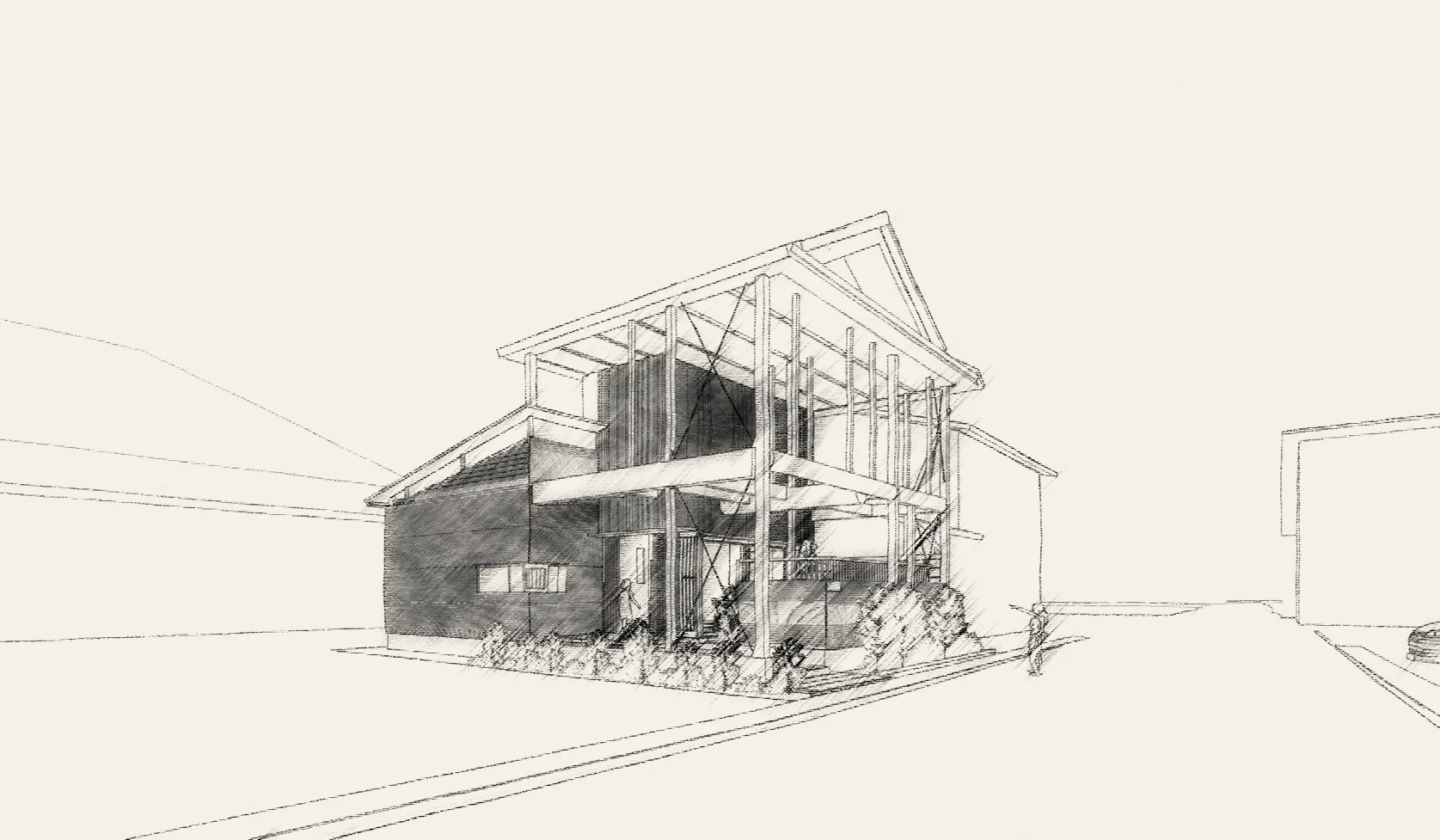
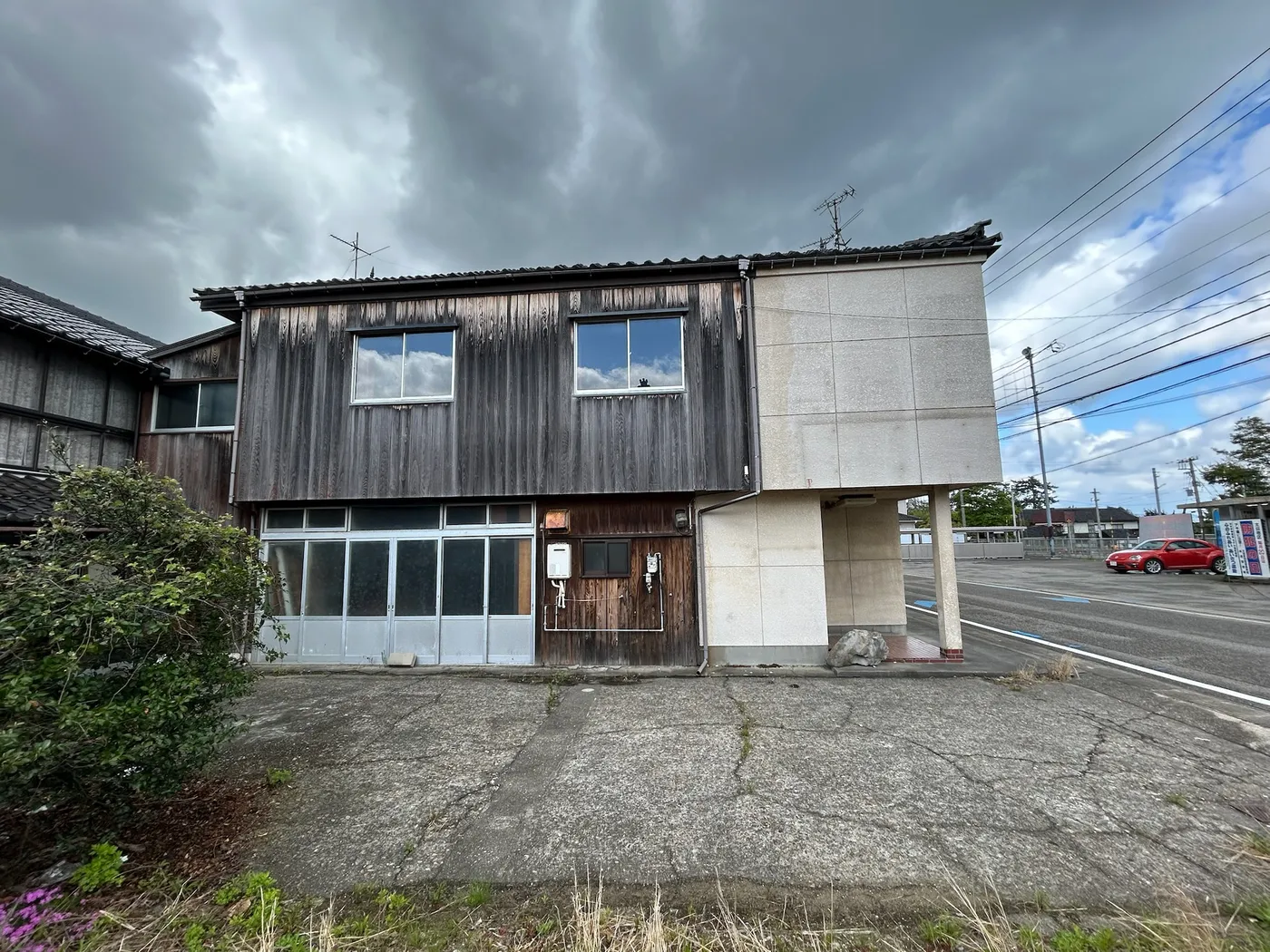
The building was made to keep the scenery of the old seaside road, with a front that stays open to the neighborhood.
Sketch of the finished building
Why we kept the building
Coming soon
What we kept, what we renewed
Coming soon
Thoughts behind the design
Coming soon
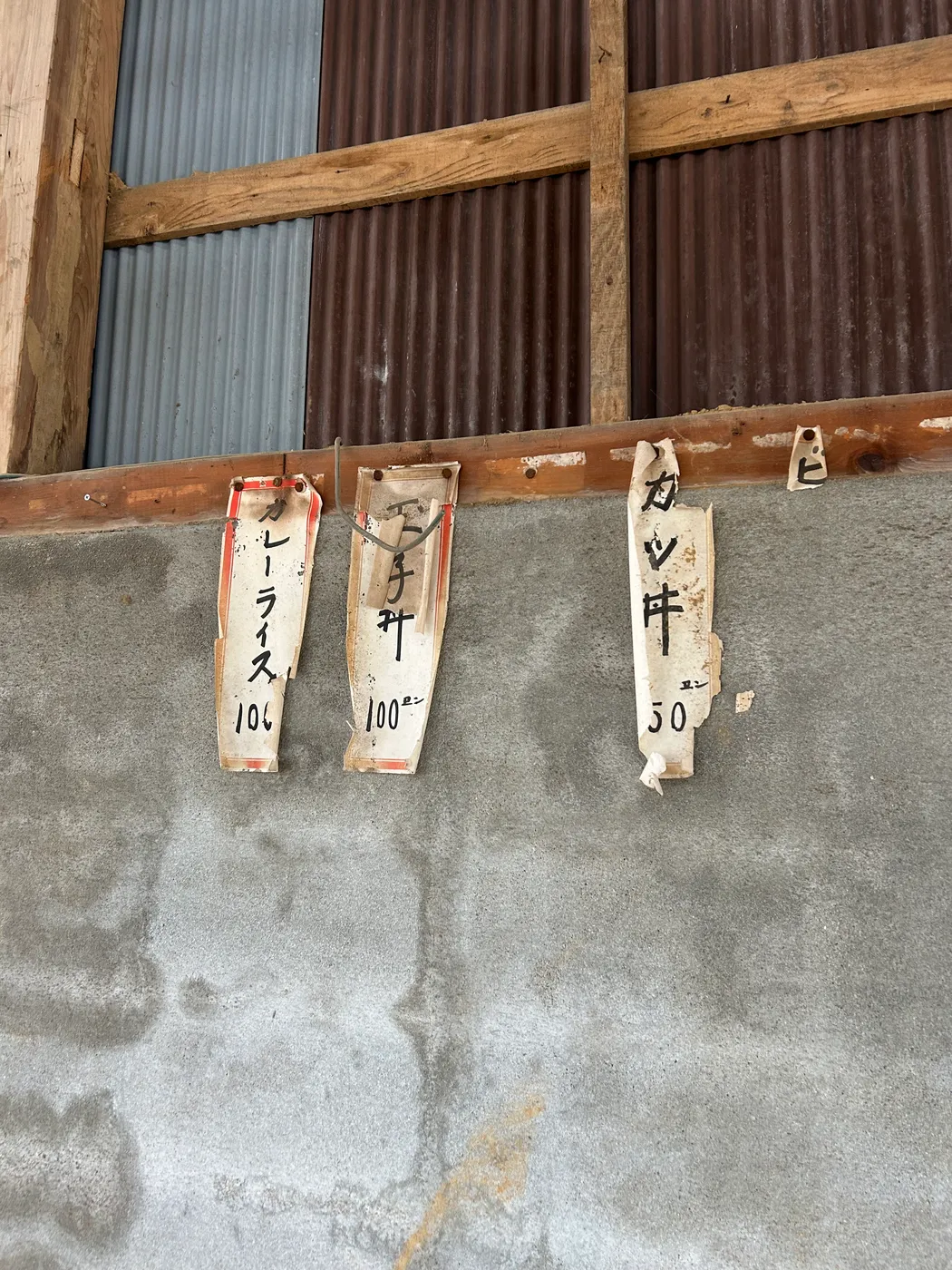
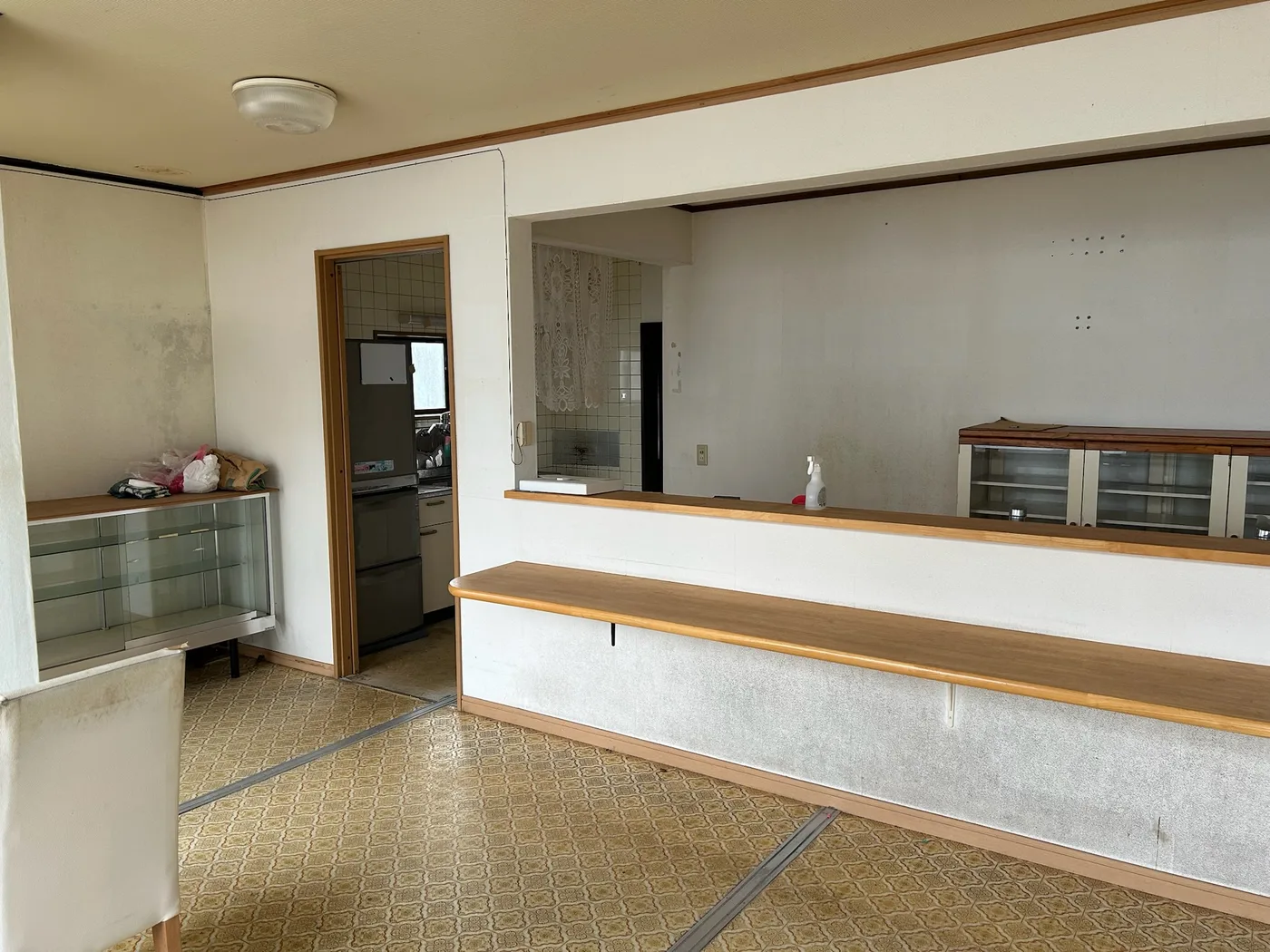
The menu from the late 1960s, when this building was a guesthouse. Amaharashi was then a busy swimming beach. The prices tell of their time.Inside the building in the Heisei era, when it was a diner. Traces of the counter and kitchen remain.